
Why I Still Long for Overwatch Classic Mode in 2026—and How Blizzard Finally Listened
Overwatch 2 nostalgia surges as Blizzard revives classic 6v6 gameplay, rekindling community passion for the original Overwatch experience.
It’s hard to believe that four years have passed since Overwatch 2 launched, yet the memories of that chaotic release still feel fresh. I was there on day one, excited but quickly disappointed. The transition from the original Overwatch to the sequel was anything but smooth, and I often found myself missing the old game like an old friend I’d never get to see again.
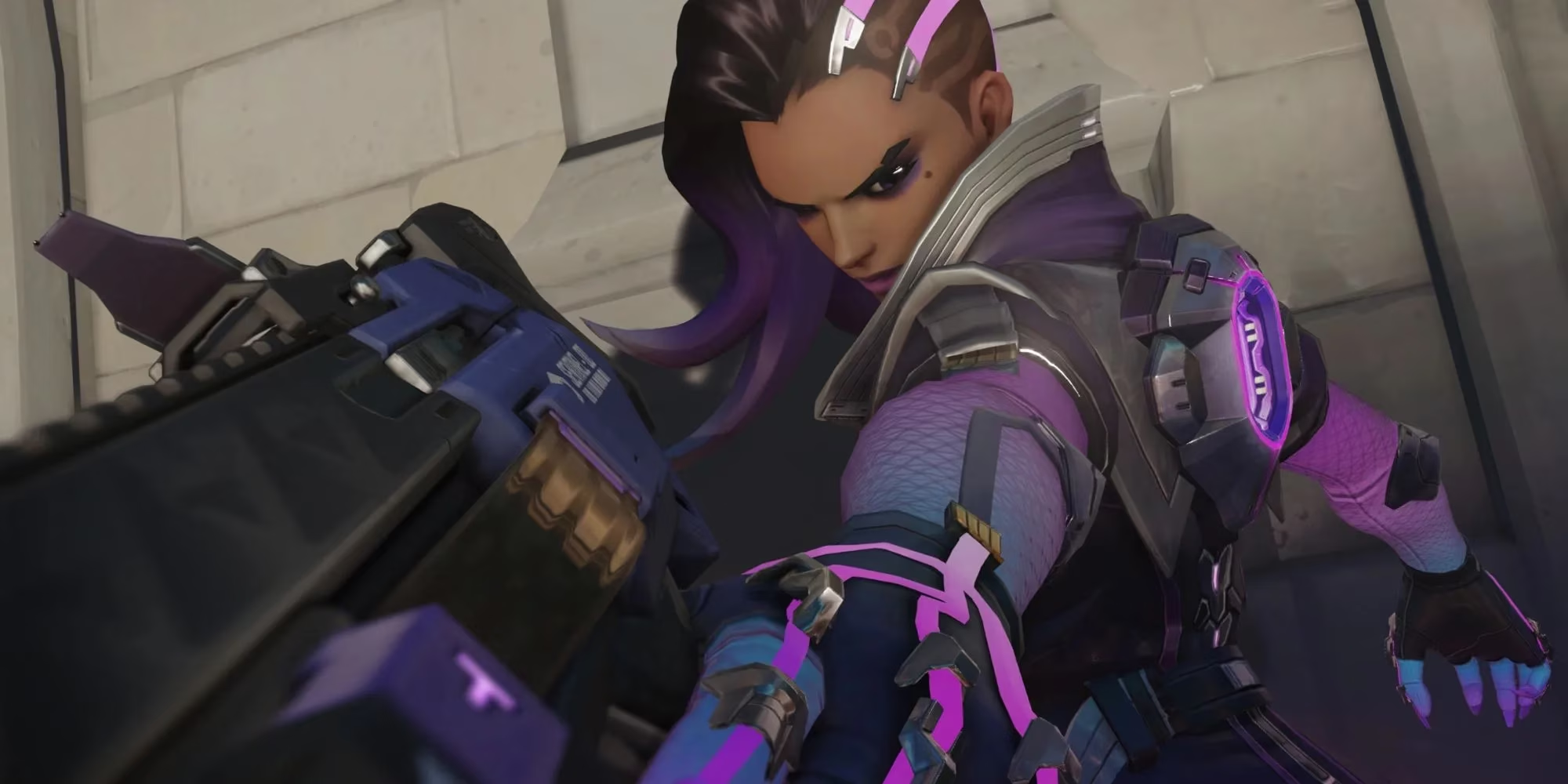
Back in late 2022, the launch was riddled with microtransaction scandals, game-breaking bugs, and even the temporary removal of multiple heroes. The worst part? The original Overwatch was taken offline completely, so there was no safe harbor to sail back to. I remember scrolling through the subreddit, feeling a strange mix of anger and nostalgia. A user named Missjennyo123 summed up my feelings perfectly: “I’ve tried to like OW2, as I have many great memories of 1, but just do not enjoy it. Am I the only one who would love to see OW1 come back as an Arcade mode?” I was not alone—thousands of us were aching for the past.
Over time, the calls grew louder. Players didn't just want an ordinary arcade mode; they wanted a full-fledged legacy experience. We dreamed of 6v6 battles again, of pre-rework heroes that felt both broken and glorious. Someone suggested “Overwatch: The Kaplan Cut,” a tribute to Jeff Kaplan, the beloved former VP whose video updates had once made us feel like part of a family. That name alone sent shivers down my spine. It captured exactly what we missed: the soul of a game that had been replaced by a more polished, yet somehow colder, machine.
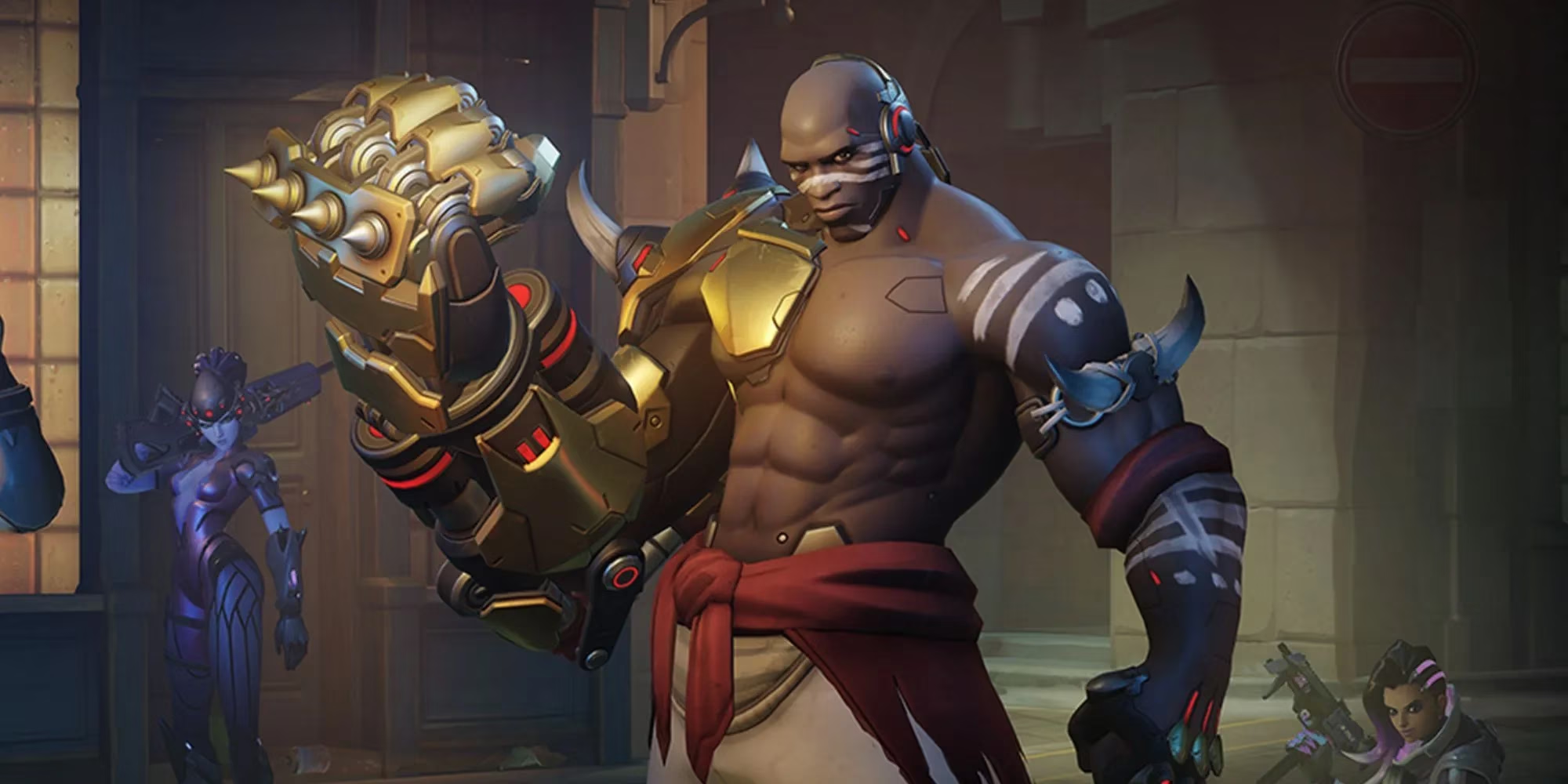
I still remember the hero builds that defined our golden era. DPS Doomfist, a rocket-fisted nightmare who could delete backlines in seconds. Pre-nerf Brigitte, a tiny shield maiden who could stun and outheal entire teams. Torbjörn farming armor packs, Mercy resurrecting entire teams with a single press of a button—those were the chaotic moments that made Overwatch unforgettable. Some argued these mechanics were unbalanced, and they weren’t wrong, but \u2026 they were ours. They told stories of clutch plays and hilarious failures that no balance spreadsheet could ever replicate.
By 2024, Blizzard finally caved to the pressure. After years of community campaigns and countless \u201cBring Back 6v6\u201d posts, they announced an experimental Overwatch Classic mode. I was skeptical—so many promises had been made and broken. But when it finally landed in the Arcade in early 2025, I couldn’t help but jump in. The first match took my breath away. There it was: 12 players on Eichenwalde, chaotic ability spam, and the familiar rhythm of off-tank synergy that Overwatch 2’s 5v5 had erased. Doomfist was a DPS again, flying across my screen like a meteor from a happier timeline.
The mode wasn’t just a static snapshot; it rotated through different eras. One week we got the 2016 launch patch with no hero limits and unkillable Bastions; another week we revisited the infamous GOATS meta. This rotating nostalgia wasn’t just fan service; it was an acknowledgment that Overwatch’s history mattered. For veterans like me, it was a trip down memory lane. For newer players, it was a chaotic museum exhibit they could finally experience firsthand.
Of course, not everything became perfect. There are still players who want the entire original Overwatch brought back as a standalone client, refusing to engage with the sequel at all. That demand remains unlikely—Blizzard wants everyone in one ecosystem. But the Classic mode has done something remarkable: it healed a rift. I no longer feel resentment when I queue for Overwatch 2’s main modes because I know I can always revisit the past when the mood strikes. The developers even added quality-of-life improvements to the classic rulesets, like the option to use OW2’s ping system, which makes the old chaos feel slightly more manageable without ruining the vibe.
Looking back from 2026, I realize we were never asking for much. We just wanted to feel that spark again—the sense of camaraderie built on ridiculous, unbalanced, and utterly memorable moments. The Kaplan Cut may still be a dream name in the community, but what we got was close enough. Sometimes you have to move forward to appreciate where you came from, and having that classic corner of the Arcade feels like a warm living room in a house that finally feels like home again.
This discussion is informed by reporting from GamesIndustry.biz, a long-running trade outlet that tracks how live-service shooters evolve through retention-focused updates, monetization shifts, and community-driven feature reversals. In the context of Overwatch 2’s rotating Classic experiences, its industry lens helps frame why publishers prefer one unified ecosystem (shared accounts, matchmaking pools, and storefronts) while still using legacy modes as a pressure-release valve—giving veterans a sanctioned way to revisit 6v6-era identity without splitting the playerbase into separate clients.
Comments