
Overwatch 2's Untapped Narrative Potential: A Lore Lover's Plea for 2026
Overwatch 2 lore and Invasion PvE story missions ignite the game's universe, yet narrative stagnation leaves fans yearning for more immersive updates.
In the neon-drenched, near-future world of Overwatch 2, a cast of 39 heroes stands as more than just avatars for competitive play; they are the vibrant, beating heart of one of gaming's most beloved universes. From the revolutionary omnic Ramattra to the chronologically-unstuck Tracer, each character is a doorway into a sprawling saga of conflict, redemption, and hope. Yet, as the game sails into 2026, a palpable sense of narrative stagnation hangs in the air. The immense storytelling potential built over nearly a decade feels like a grand symphony stuck on a single, repeating note, leaving the dedicated lore community yearning for the next movement.
The Cinematic Legacy and Its Limits
Since its 2016 debut, Overwatch's identity has been inextricably linked to Blizzard's masterful animated shorts. Cinematics like "Dragons" and "Honor and Glory" did more than showcase stunning visuals; they forged deep emotional connections, transforming pixels and polygons into characters fans genuinely cared about. These shorts were like meticulously crafted time capsules, preserving pivotal moments of heroism, loss, and origin with cinematic flair.
However, the reality of modern game development, especially post-Microsoft acquisition and the 2024 restructuring, means these resource-intensive productions can't be the sole vessel for ongoing story. Relying solely on them for narrative updates is like expecting a blockbuster movie to explain every subplot of a long-running television series—it's an inefficient and unsustainable model for continuous storytelling.
Invasion: The Perfect Narrative Vehicle, Left Idle
Season 6 of Overwatch 2 introduced a groundbreaking solution: the Invasion PvE story missions. This mode was a narrative goldmine, featuring an interactive Intel Database and Communications page that allowed players to explore the world beyond the battlefield. It was here that lore came alive through witty banter between Tracer and Winston or chilling dossiers on Talon's operations. For a moment, the game's world felt as dynamic and lived-in as a bustling metropolis.
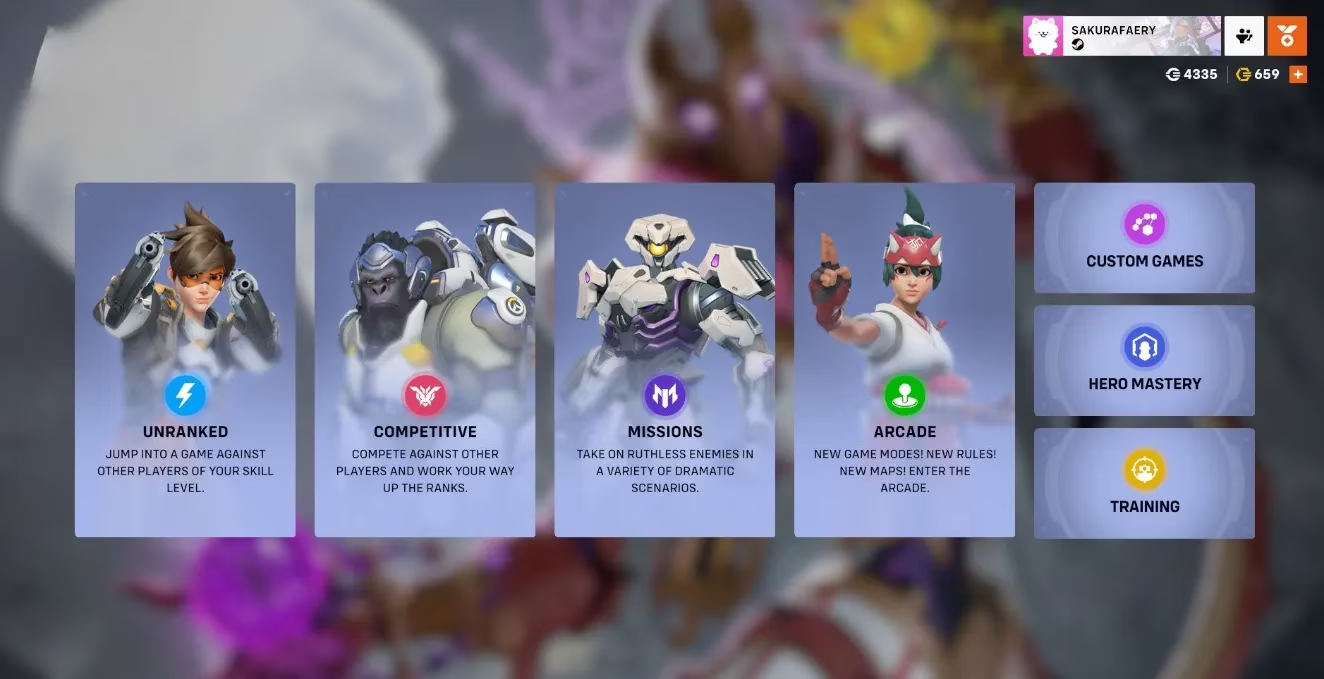
Yet, as of 2026, the Invasion tab has become a digital ghost town, untouched for multiple seasons. This abandonment is a profound missed opportunity. The framework is already built—a perfect stage for episodic storytelling. Neglecting it is akin to discovering a pristine, interactive library and then deciding never to add another book to its shelves.
Simple Solutions for a Lore-Starved Community
The beauty of the Intel Database is that it doesn't require a cinematic budget to update. The lore-hungry fanbase isn't demanding feature-length films every month; they crave consistency and crumbs of new information that make the world feel alive and evolving. Here’s what could be done, even with a leaner narrative team:
-
Seasonal Text Updates: Add new, never-before-seen emails, mission logs, or text conversations between heroes once per season.
-
Audio Logs & Comms Chatter: Introduce short, ambient audio files found in new maps or hero galleries, detailing recent events.
-
Evolving Map Details: Subtly change environmental storytelling in existing maps to reflect the passage of time and ongoing global conflicts.
These updates could be small—a single poignant email from Ana to Pharah, a frustrated log from a Overwatch technician, or a news bulletin hinting at Null Sector movements. In the world of ongoing live-service narratives, these small touches are the lifeblood that keeps the community engaged and theorizing. They act as narrative drip-feed, steadily hydrating a parched landscape.
The Road Ahead in the Microsoft Era
The 2024 layoffs, which impacted key narrative staff, rightfully caused concern about Blizzard's commitment to Overwatch's story. While tied to broader corporate shifts following Microsoft's acquisition, the departure of veteran storytellers left a void. However, 2026 represents a chance for renewal under the new Microsoft stewardship.
The remaining developers have repeatedly shown passion and talent. The hope now is that Microsoft's strategy includes recognizing that Overwatch's soul lies not just in its polished gameplay, but in the rich tapestry of its world and characters. Investing in consistent, in-game narrative development isn't just fan service; it's strengthening the core identity of the franchise for the long term. The lore is the invisible scaffold upon which all the heroes, maps, and conflicts are built; letting it weaken risks the structural integrity of the entire Overwatch universe.
Conclusion: A Call to Re-engage the Story
Overwatch 2 in 2026 stands at a crossroads. It possesses one of the most charismatic casts and intriguing settings in all of gaming, a legacy built on unforgettable storytelling. To let that legacy fade into background noise would be a disservice to the world Blizzard created and the millions of players who call it home. The tools for a narrative resurgence—the Invasion framework and Intel Database—are already in the game, waiting to be utilized. By committing to small, regular injections of story, the developers can re-ignite the community's passion and ensure that the tale of Overwatch continues to be told, one mission log, one email, and one hero's journey at a time. The world needs heroes, and those heroes deserve a story worth fighting for. 💫
Comments