
Overwatch 2's 5v5 PvP Overhaul Reshapes Tanks, Damage, and Support Play
Overwatch 2 5v5 PvP overhaul reworks tanks into aggressive playmakers, while damage speed and support self-heal sharpen every match.
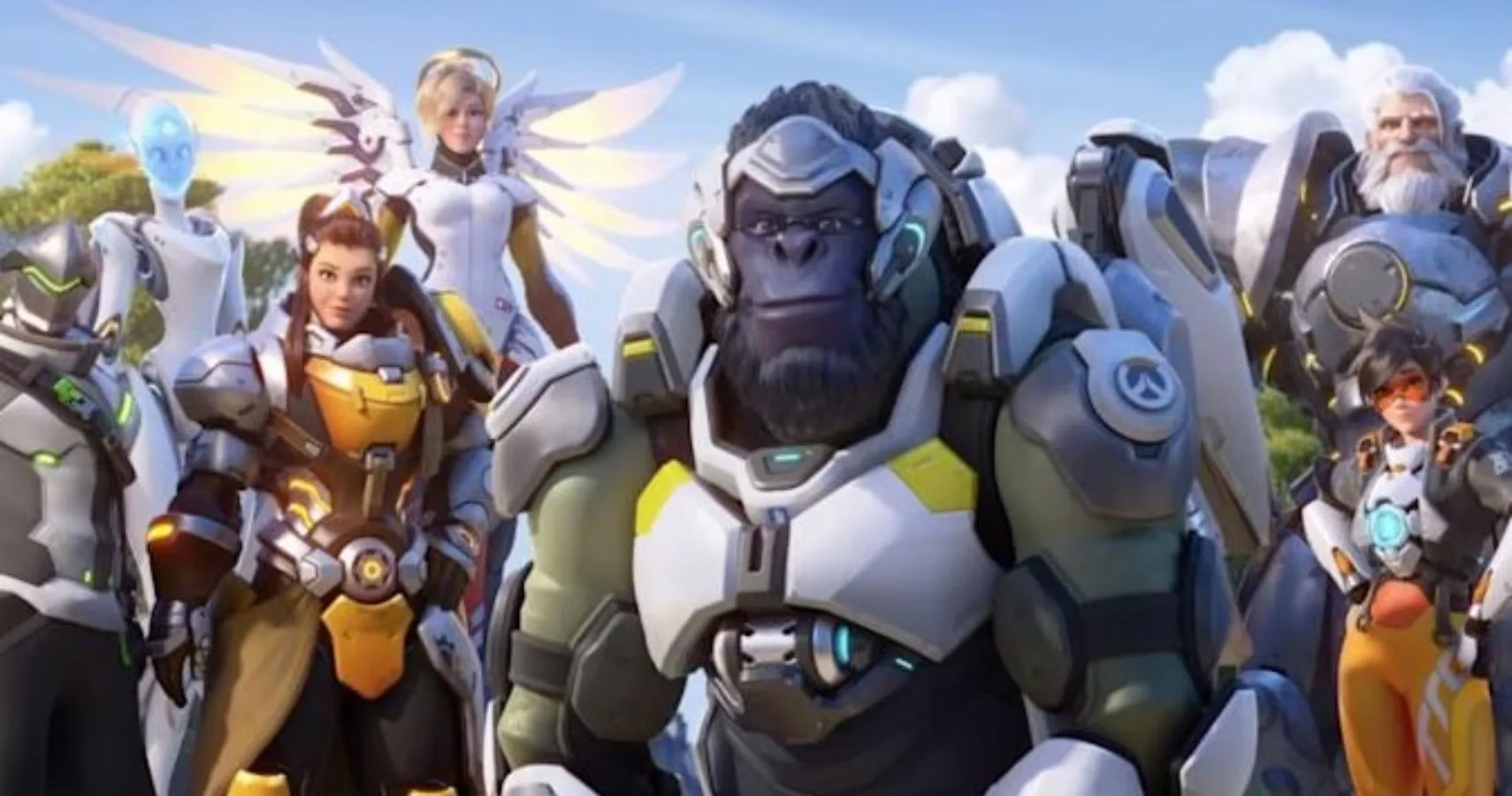
Overwatch 2 stepped into the spotlight with a PvP overhaul that changed the rhythm of every match. During a livestream led by game director Aaron Keller, Blizzard confirmed that the sequel would shrink team sizes from 6v6 to 5v5, a move that continues to define the game's competitive identity in 2026. The new format limits each side to two damage heroes, two support heroes, and only one tank. For players who spent years juggling chaotic six-person fights, that shift was like clearing smoke from the battlefield.
The reasoning from the development team was straightforward. Keller noted that tracking nine other players is easier than keeping tabs on eleven. Let's face it: fewer bodies on the point means fewer ultimates crashing in at once, fewer overlapping barriers, and a lot more room for individual plays to breathe. Tanks had often been described as problematic in Overwatch's original 6v6 design. By reducing the role to a single slot per team, Blizzard aimed to make combat easier to manage and far less dependent on a wall of shields eating damage.
One Tank, a Whole New Job
The tank role was not just trimmed down; it was rebuilt around a different philosophy. Keller explained that tanks were being reevaluated to function better in close-range combat rather than simply soaking up damage. That is a big shake-up for anyone used to planting a barrier and waiting. Tanks now receive a reduction in knockback and generate less ultimate charge when they take damage, which should stop them from becoming passive ult batteries for the enemy team.
Lead designer Geoff Goodman detailed several hero-specific changes that put more agency into tank hands.
| Tank Hero | Overwatch 2 Adjustment |
|---|---|
| Winston | Gains an alt-fire mode that launches a longer-range lightning blast |
| Reinhardt | Receives dual Firestrike charges for extra ranged pressure |
| Zarya | Gets dual Bubble charges for Particle and Projected Barriers |
These tweaks pushed tanks toward playmaking instead of pure damage absorption. In 2026, Overwatch 2 matches still reflect that design shift, with solo tanks expected to create space through pressure and smart positioning rather than standing in front of the team forever.
Damage and Support Get Their Own Perks
Blizzard did not stop with tanks. Damage heroes gained a speed bonus, making them feel a little more slippery and aggressive. Support heroes received automatic self-healing after taking consistent damage for a period of time, giving them a better chance to survive when a flanker comes knocking. That change alone softened the old frustration of being left alone on the backline.
Maps and Cover Get a Glow-Up
The smaller team sizes meant maps needed a rethink. With only one tank per side, teammates could no longer rely on a giant shield to block every corridor. The development team confirmed that maps would be modified to include more cover, allowing players to use natural corners and environmental protection instead of depending on tank barriers. This gave Overwatch 2 a more dynamic, movement-focused feel across both new and returning locations.
A Work in Progress That Stuck
At the time of the reveal, these changes were still in development and could have shifted before release. But as the live game evolved into 2026, the 5v5 structure and tank redesign became core parts of Overwatch 2's identity. Blizzard clearly took its time with the sequel, aiming to keep the familiar spirit of the original while bringing a fresh sense of battle to the fan-favorite shooter. The result is a faster, cleaner team fight loop where every role has a sharper job to do, and there is plenty of breathing room for skill to shine.
Whether someone loves the solo tank life or misses the old 6v6 chaos, there is no denying that Overwatch 2's PvP pivot changed how players think about space, cover, and role responsibility. The battlefield may be smaller, but the decisions feel bigger.
Comments