
From Loot Boxes to Legacy Credits: How Overwatch 2 Finally Found Its Groove
Overwatch 2 Credits now let free players earn a legendary skin each season, reviving the game's free-to-play economy.
The year was 2026, and for Alex, a veteran Overwatch player who had drifted away during the rocky pivot to free-to-play, the decision to fire up Overwatch 2 again felt like visiting a long-lost friend. The last time he’d really sunk his teeth into the game, the community was up in arms about progression—matches no longer showered players with loot boxes, and the idea of earning cosmetics without opening a wallet seemed like a pipe dream. But as the familiar upbeat fanfare of the menu screen filled his apartment, Alex quickly realized something had changed. The monetization storm that had once brewed so heavily on forums and Reddit threads had finally begun to clear.
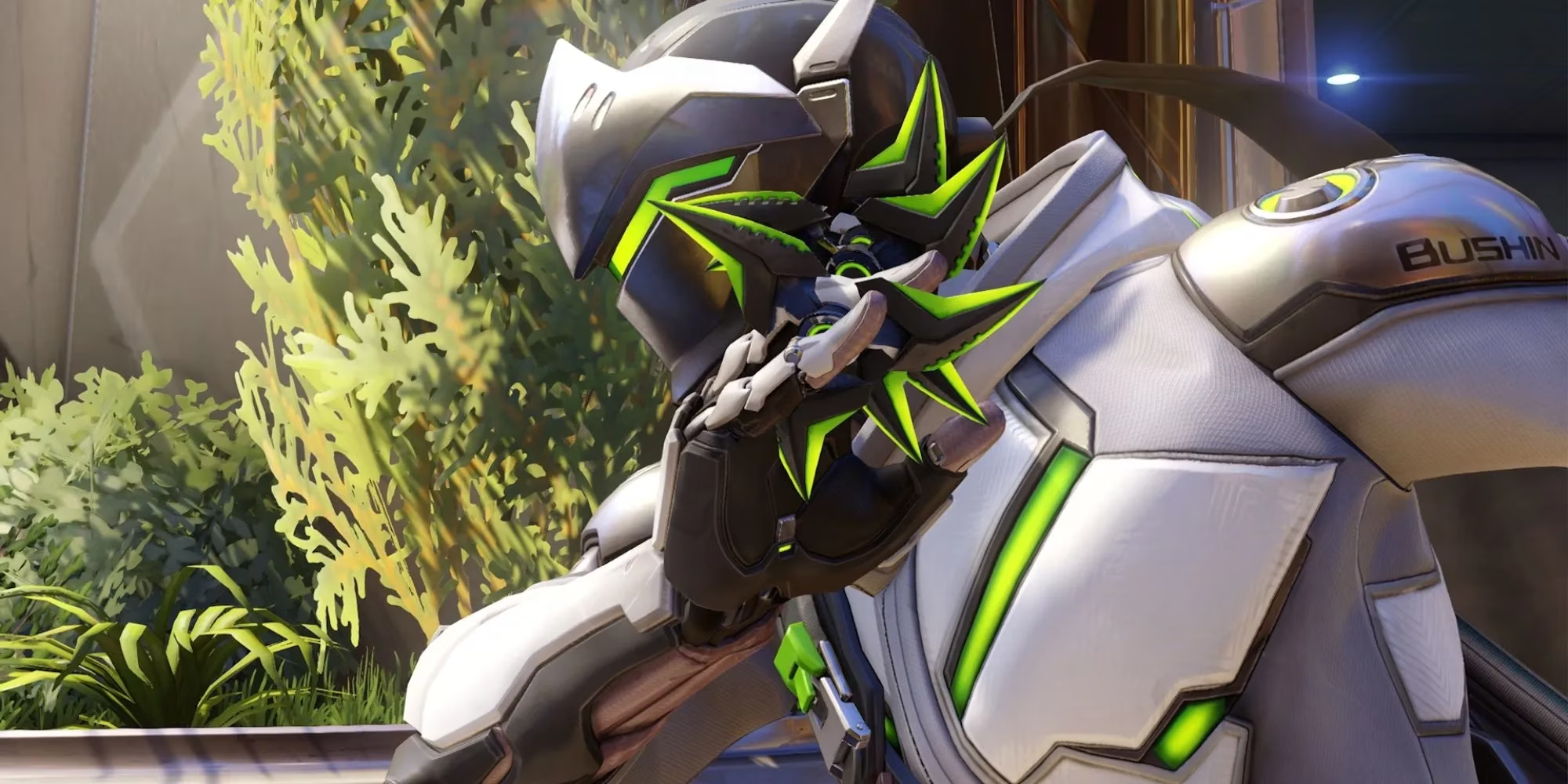
Rewinding to early 2023, the narrative around Overwatch 2 was, frankly, a mess. The transition from the original game’s loot box economy to a battle-pass-driven model had left a sour taste in many mouths. Weekly arcade challenges that once handed out free loot boxes had vanished. The only way to snag a new skin was to fork over real money in the store or grind through a premium battle pass. The community was loud, and Blizzard couldn't ignore the backlash forever. That’s when the first olive branch appeared: Legacy Credits.
In a move that was reported at the time by PCGamesN, Blizzard announced that Overwatch 2 would be integrating Credits into the battle pass. Even if you stuck to the free track, you could pocket 1,500 Credits per season—enough to bag yourself a legendary skin. If you splashed out on the premium pass, another 500 Credits came your way. It was a clear line in the sand: Credits were not the same as Overwatch Coins, which could still be bought with cash or earned in tiny dribs and drabs each week. Suddenly, players had two currencies—one premium, one earnable in-game. And Blizzard promised they were "looking into additional ways for players to use Credits in the future," a statement that felt like a lifeline back then.
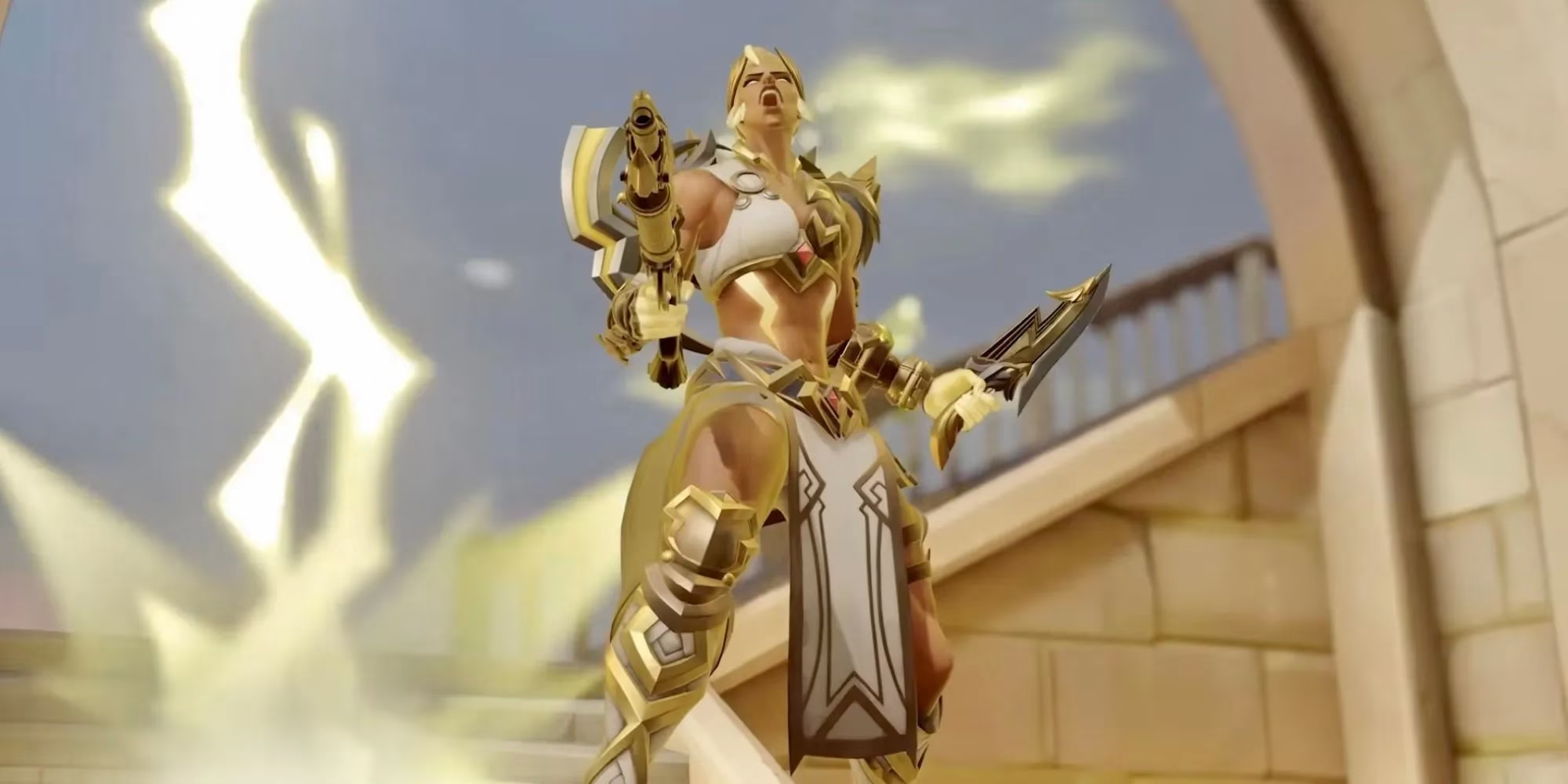
Fast forward to 2026, and that lifeline has bloomed into a full-fledged economy that actually respects a player’s time. Blizzard kept its word: nearly all epic and legendary-tier skins from before Overwatch 2’s launch are permanently available in the hero gallery, purchasable with either Coins or Credits. That means those seasonal event skins—the ones you used to pray would drop from a winter loot box—can now be unlocked whenever you have the currency, no FOMO involved. And because legendary skin prices were slashed to 1,500 Credits or Coins back in Season 3, every season gives free-track players a shot at one top-shelf cosmetic without spending a dime. It’s not the deluge of freebies from the original game’s golden age, but it’s miles from the stingy launch model that had Alex and his friends yeeting their controllers in frustration.
The events side of the game got a much-needed overhaul too. In the same era when Credits were introduced, Blizzard admitted they’d dropped the ball on events like Battle for Olympus, confessing they “did not expect that players would pursue all hero titles” and that some challenges were “too difficult to complete in aggregate.” That mode now pops up as a team deathmatch variant in custom games, a niche but welcome nod. More importantly, the team acknowledged that returning events “don’t feel as exciting” and vowed to offer new rewards consistently. By Season 3, one event was already dishing out a fresh legendary, and from Season 4 onward, the promise of new items became the standard. Fast forward to 2026, and seasonal events are no longer just recycled Lúcioball or Junkenstein with a new coat of paint—they come with genuinely unique rewards that keep even hardened veterans like Alex jumping into the queue.
But perhaps the quietest and most appreciated change has been Blizzard’s renewed focus on hero progression. Back then, they began redesigning the “on fire” system—you know, that little dopamine hit when the portrait flames up mid-match. It was in the early stages, but the devs were already talking about a hero-based progression system that would “showcase the energy players put into playing each hero and mastering their different capabilities.” Today, that system is the real deal. Alex can level up his Genji mastery, unlock exclusive player icons and nameplates tied to specific heroes, and actually flaunt the hours he’s poured into perfecting his blade work. It’s the kind of progression that puts the “game” back in game, making every match feel like it contributes to a long-term journey rather than just being a vehicle for grinding battle pass XP.
Walking through the hero gallery in 2026 feels like browsing a museum of personal achievement. Alex scrolled through skins he’d earned purely by playing—no credit card required—and couldn’t help but grin. The whole vibe was a far cry from those early days when Overwatch 2 felt like a soul-sucking free-to-play treadmill. Now, with Credits flowing from the battle pass, events dropping fresh legends, and a hero progress system that made the grind feel meaningful, the game had finally found its rhythm. It’s not that Overwatch 2 became the original game overnight; it’s that Blizzard listened, iterated, and turned a storm of criticism into a masterclass on how to salvage a live-service reputation. For Alex, and for millions of others still queuing up, it was simply good to be back.
Comments